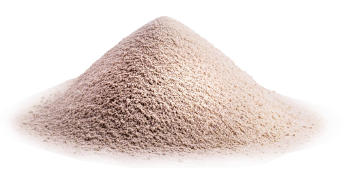
Blend Lactic Acid Bacteria
The Origin of Probiotic Ingredients
With modern busy lifestyles, people often suffer from nutrient deficiencies due to frequent dining out and low vegetable consumption. This can weaken the beneficial bacteria in the intestine, leading to an imbalanced gut microbiome. The bacteria within the intestine are broadly classified into beneficial, neutral, and harmful bacteria. In a healthy gut, the ideal balance is approximately 20% beneficial bacteria, 10% harmful bacteria, and 70% neutral bacteria. The neutral bacteria will side with whichever group is dominant. Therefore, when the population of harmful bacteria in the intestine increases, it causes the neutral bacteria to shift their allegiance away from the beneficial bacteria. This leads to a rapid deterioration of the gut’s microbial environment and can trigger various related health issues.
The Benefits of Probiotics
Supplementing with probiotics can regulate the gut microbiome, aid digestion and absorption, improve gut motility, and promote intestinal health. When consuming food items with probiotics ingredients, it is also beneficial to also include prebiotics (the food for probiotics, such as corn-derived soluble fiber, inulin, fructooligosaccharides, and so on) to aid the growth of probiotics and inhibit harmful bacteria in the gut. Furthermore, beneficial bacteria metabolize prebiotics into short-chain fatty acids, which serve as a source of energy for both the probiotic bacteria and the human body.
Approximately 70% of the body’s immune cells reside in the gut, making it the largest immune organ. Consequently, an unhealthy gut can lead to compromised immunity. Supplementing with probiotics can help activate the body’s immune cells and modulate its natural defense, helping to protect against the invasion from pathogens such as viruses or bacteria.
Patented Probiotics Microencapsulation Technology
After oral consumption, probiotics are susceptible to damage from gastric acid, bile, and pancreatic enzymes. With patented microencapsulation technology, probiotic bacterial are encased in food-grade, plant-based fatty acid substrate. This coating provides effective barrier, protecting the bacteria and ensuring they arrive in the intestine intact to exert their activity and deliver their health-promoting benefits.