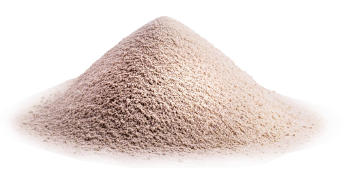
Streptococcus Zooepidemicus (Sodium hyaluronate)
Hyaluronic acid (HA), also called sodium hyaluronate, has a few known sources, including bovine, avian, and bacterial derivatoin. The specific ingredient produced through the fermentation of Steptococcus Zooepidemicus is sodium hyaluronate.
As a sodium salt form of HA, sodium hyaluronate is a glycosaminoglycan renowned for its exceptional ability to retain moisture, earning it a title of a “natural moisturizing factor”. The HA ingredient is produced through bacterial fermentation using a non-animal source cultivating medium. This process yields an ingredient with high purity, exceptional thermal stability, and rapid solubility for optimal absorption.
HA plays a crucial role in maintaining health and wellness, and is recommended for regular supplementation.
According to the Taiwan Food and Drug Administration (TFDA), the use of Streptococcus Zooepidemicus fermentation (Sodium hyaluronate) should comply with the following specifications:
- The fermentation should derive from a non-hemolytic strain of Streptococcus zooepidemicus (or Streptococcus equi subsp. zooepidemicus). The bacteria cells must be removed after cultivation
- Content of sodium hyaluronate should exceed 87%.
- The molecular formula for Streptococcus Zooepidemicus derived hyaluronic acid is (C14H20NNaO11)n with the value of n ranging from 200 to 10,000. The molecular mass of this compound is 8.02×10⁴ to 4.01×10⁶.
- The maximum daily intake of Streptococcus Zooepidemicus ferment is 80mg.
Reference:TFDA Announcement