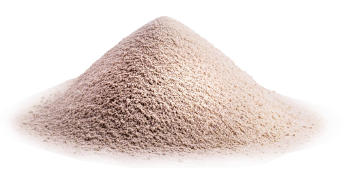
Bio-Anka Powder
What is Bio-Anka
Red yeast rice (bio-anka) is a fermented food product derived from the interaction of Monascus purpureus and steamed rice. In addition to the main bioactive compound, monacolin K, bio-anka contains γ-Aminobutyric Acid (GABA), vitamin, digestive enzymes, coenzyme Q10, and more. Studies from multiple countries have verified that bio-anka helps adjust physiological constitutions and support bodily circulation and metabolism. Due to its notable efficacy, extracts from red yeast rice have even been developed into prescription medications in the pharmaceutical industry.
History of Bio-Anka
Records regarding bio-anka date back to the Yuan dynasty, where documents recorded the preparation of red yeast pork. In the Ming dynasty, the Compendium of Materia Medica also mentioned its health efficacy in regulating physiological functions. Later, French scientists identified the Monascus genus, with applications including red yeast pork and red yeast rice. Fermentation not only imparts special aroma and texture to food, but the growth and metabolism of the strain also produce bioactive compounds beneficial to human health.
The Structure of Moncolin K
The bioactive compound in red yeast, monacolin K, exists in active and inert forms, differentiated by open-ring and closed-ring sturctures:
- Active open ring bio-anka powder: open ring > closed ring
- Inert bio-anka powder: open ring < closed ring
A high proportion of open ring (active) monacolin-K (over 60%) greatly enhances the bioavailability of monacolin-K. The active form competes with HMG-CoA reductase, reducing the synthesis of clogging factors.
|
Active open ring red yeast |
Regular red yeast |
| Ratio of open ring Monacolin-K |
70%-90% |
Only 10%-30% |
| Mechanism of action |
Can directly and competitively inhibit HMG-CoA reductase, reducing the synthesis of clogging factors. |
Must be converted to the open-ring form by liver enzymes to inhibit the synthesis of clogging factors. |
| Clinical effects |
Effective regardless of the individuals’ liver enzyme levels. |
Efficacy varies depending on the activity of the individual’s liver enzymes |
| Side-effects |
Low |
Higher likelihood of abnormal liver function indicators due to elevated closed ring monacolin K content. |
When Is The Best Time to Take Bio-anka Powder
For optimal effectiveness, bio-anka powder is best taken after dinner, as the human body’s synthesis of burden factors is more active late at night. Supplementing in the evening can help reduce the synthesis of burden factors, making it more effective than daytime intake.